
Tax Liens in Greensboro, NC: What Happens If You Can’t Pay Property Taxes?
Tax Liens in Greensboro, NC: What Happens If You Can't Pay Property Taxes?
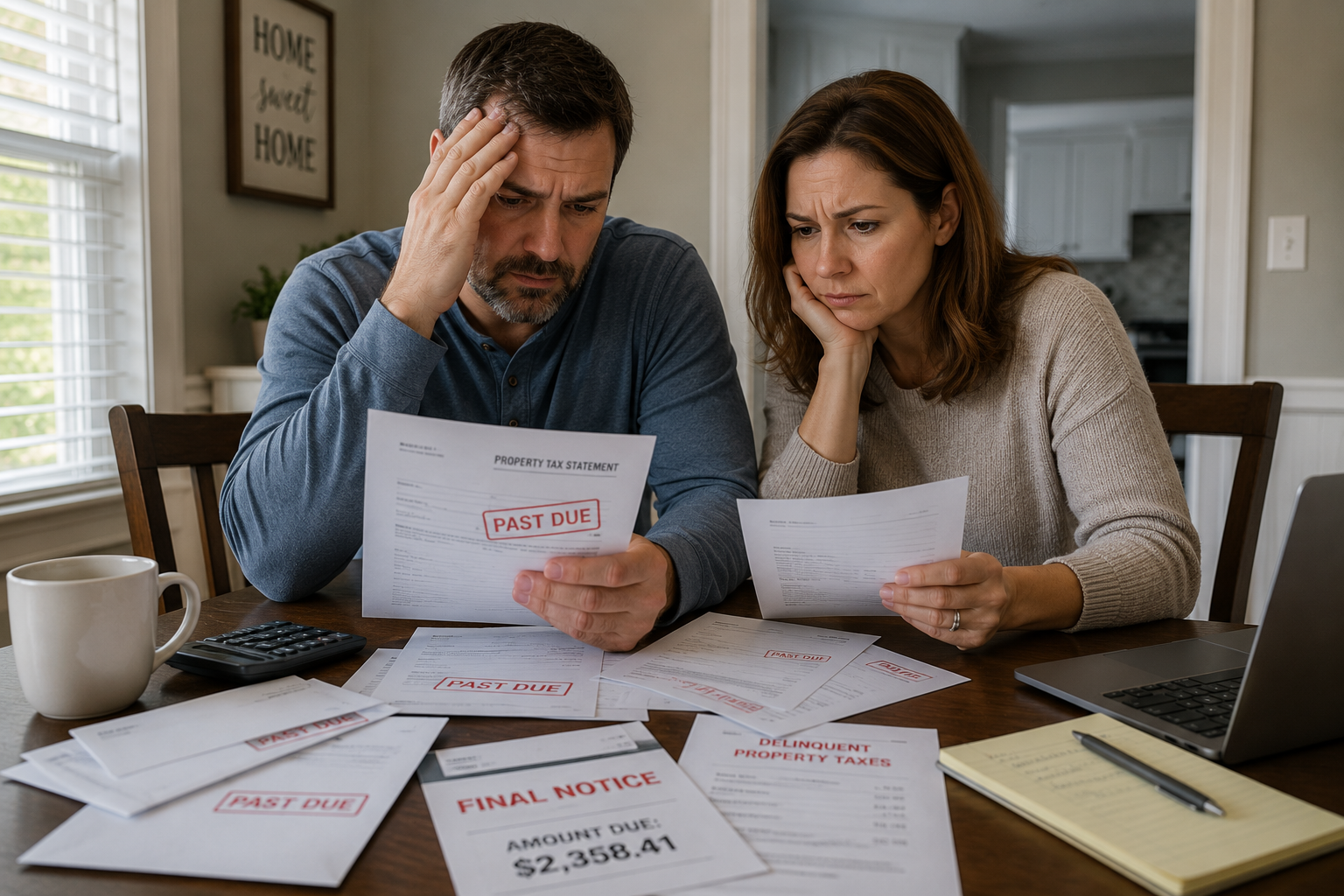
Receiving a notice about unpaid property taxes can be stressful.
For many Greensboro homeowners, property taxes are just one of many expenses competing for attention. Between mortgage payments, homeowners insurance, repairs, utilities, medical bills, and everyday living costs, it's easy to see how someone can fall behind.
What many homeowners don't realize is that unpaid property taxes can eventually lead to serious consequences, including tax liens and foreclosure.
The good news is that falling behind on property taxes does not automatically mean losing your home.
If you're behind on property taxes in Greensboro, NC, understanding your options early may help you avoid additional penalties, liens, and foreclosure proceedings.
What Is a Property Tax Lien?
A property tax lien is a legal claim placed against a property when property taxes remain unpaid.
In North Carolina, counties have the authority to collect delinquent property taxes through various enforcement methods. A tax lien secures the county's interest in collecting the taxes owed.
Unlike many other debts, property tax liens often take priority over other claims attached to a property.
This can create complications when attempting to:
- Sell the property
- Refinance the mortgage
- Transfer ownership
- Settle an estate
- Obtain financing
For homeowners in Greensboro and throughout Guilford County, addressing delinquent taxes early is often the best way to preserve future options.
Why Greensboro Homeowners Fall Behind on Property Taxes
Most homeowners don't intentionally stop paying their taxes.
Usually, life circumstances change first.
Job Loss or Reduced Income
An unexpected job loss, reduction in hours, or change in employment can quickly impact a household budget.
Rising Homeownership Costs
Many Greensboro homeowners are experiencing increasing costs related to:
- Homeowners insurance
- Property maintenance
- Utilities
- Repairs
- Everyday living expenses
Property taxes become one more financial obligation competing for limited resources.
Inherited Properties
Inherited homes often come with expenses that beneficiaries may not expect.
Many heirs discover they are responsible for:
- Property taxes
- Insurance
- Lawn care
- Maintenance
- Repairs
If the property sits vacant, those expenses continue whether someone lives there or not.
Retirement
Homeowners living on fixed incomes may find it difficult to absorb rising housing-related costs over time.
What Happens If Property Taxes Remain Unpaid?
The longer taxes remain unpaid, the more serious the situation can become.
Potential consequences may include:
- Interest charges
- Additional fees
- Collection efforts
- Tax liens
- Foreclosure proceedings
Many homeowners mistakenly believe foreclosure only occurs when mortgage payments are missed.
However, tax foreclosure is a separate process that local governments can use to recover delinquent taxes.
The important thing to remember is that these situations rarely happen overnight.
In most cases, homeowners have opportunities to address the issue before reaching the final stages of collection.
Can You Lose Your House Because of Unpaid Property Taxes?
Yes.
Under North Carolina law, local governments can pursue foreclosure actions to collect delinquent property taxes.
While this possibility can be alarming, most homeowners benefit from taking action early rather than ignoring notices and hoping the problem resolves itself.
The sooner you understand your options, the more flexibility you typically have.
What Are Your Options If You're Behind?
Every homeowner's situation is different.
Potential options may include:
Paying the Delinquent Taxes
Some homeowners are able to pay the taxes owed and bring the account current.
Requesting Payoff Information
Understanding exactly how much is owed can help you evaluate your next steps.
Exploring Assistance Resources
Depending on your circumstances, certain programs or financial resources may be available.
Selling Before Financial Pressure Increases
For some homeowners, selling the property becomes the most practical solution.
This is particularly common when the property also has:
- Major repairs
- Vacant status
- Inherited ownership
- Financial hardship
- Ongoing carrying costs
Can You Sell a House With a Tax Lien?
In many situations, yes.
Many homeowners successfully sell properties that have delinquent property taxes or tax liens.
During the sale process, the taxes owed are often addressed as part of the closing.
Selling may allow homeowners to:
- Avoid foreclosure
- Eliminate ongoing expenses
- Resolve tax obligations
- Move forward financially
- Reduce stress
Every situation is unique, which is why understanding your options early is important.
The Cost of Waiting
One mistake many homeowners make is waiting too long to address delinquent taxes.
Meanwhile, the property may continue generating expenses such as:
- Mortgage payments
- Insurance premiums
- Property maintenance
- Utilities
- HOA dues
For some Greensboro homeowners, these carrying costs become just as challenging as the unpaid taxes themselves.
How Eagle Home Partners Helps Greensboro Homeowners
At Eagle Home Partners, we work with homeowners throughout Greensboro, High Point, Jamestown, Kernersville, Burlington, and surrounding Guilford County communities.
We understand that tax issues are often connected to larger life circumstances such as:
- Financial hardship
- Inherited properties
- Major repairs
- Vacant homes
- Retirement transitions
- Unexpected expenses
If selling becomes the right choice, we may be able to purchase your property as-is without repairs, commissions, or lengthy timelines.
Our goal is to help homeowners understand their options so they can make informed decisions about their future.
Frequently Asked Questions
What is a tax lien on a house?
A tax lien is a legal claim placed against a property because property taxes have not been paid.
Can Guilford County foreclose for unpaid property taxes?
Yes. North Carolina law allows local governments to pursue foreclosure actions for delinquent property taxes.
Can I sell my house if it has a tax lien?
In many cases, yes. Delinquent taxes are often resolved during the closing process.
How long can property taxes go unpaid before foreclosure?
Every situation is different. However, waiting typically results in additional interest, fees, and collection actions.
What should I do if I'm behind on property taxes?
The best first step is understanding how much is owed and exploring your available options as early as possible.
Does Eagle Home Partners buy houses with tax liens?
Every situation is unique, but many homeowners explore selling as one option for resolving tax-related financial challenges.
Final Thoughts
Falling behind on property taxes can feel overwhelming, but ignoring the problem rarely improves the situation.
Whether you're dealing with financial hardship, an inherited property, rising homeownership costs, or a house that no longer fits your circumstances, taking action early can create more options and reduce stress.
The sooner you understand your choices, the more control you'll have over the outcome.