
Struggling With Home Insurance Costs in Asheboro, NC?
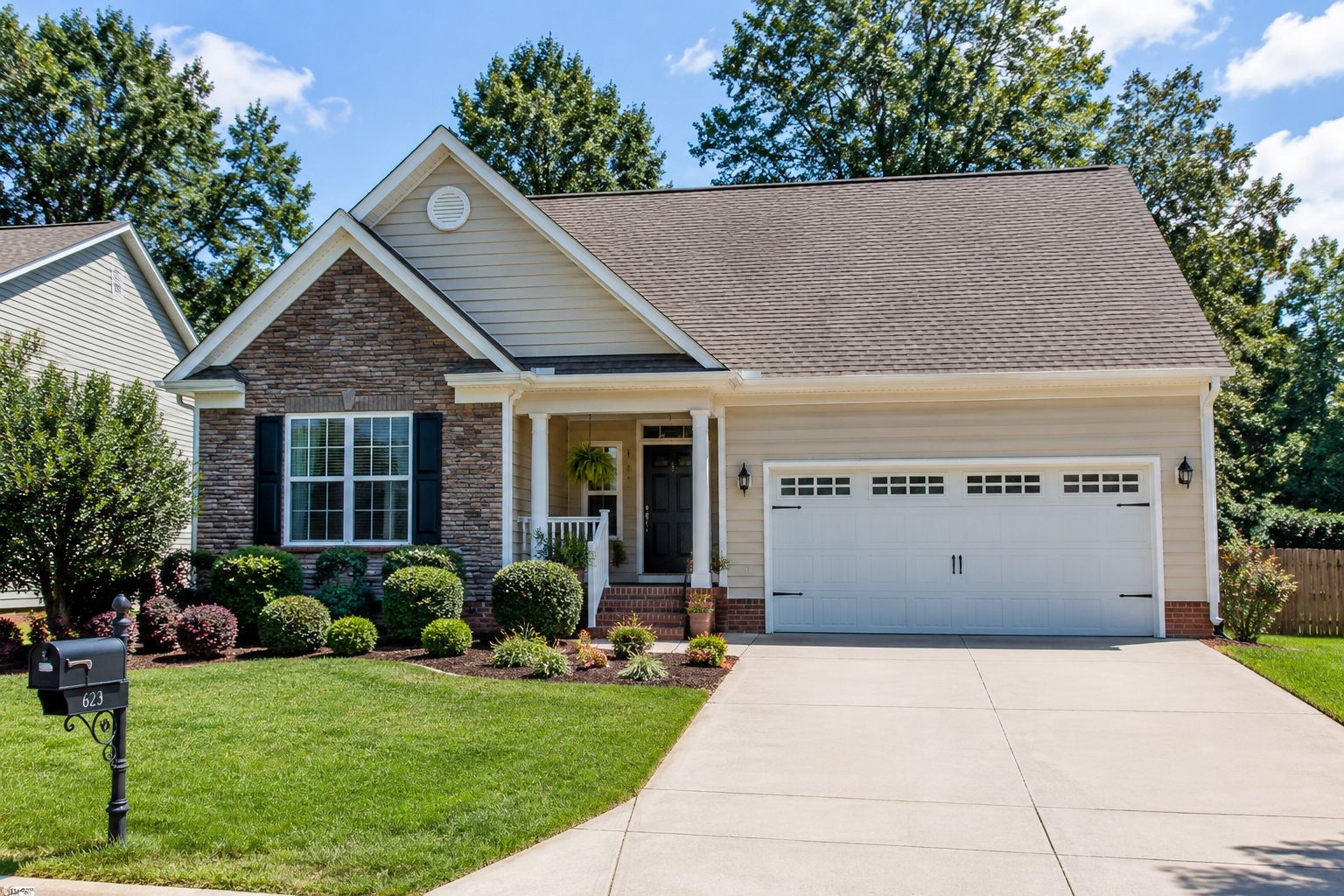
Can’t Afford Home Insurance in Asheboro, NC? Here’s What You Can Do
If you're a homeowner in Asheboro, NC, and your homeowners insurance bill has increased again, you're not alone.
For many families across Randolph County, homeownership has become significantly more expensive over the last few years. Between rising insurance premiums, property taxes, utility bills, maintenance costs, and mortgage payments, many homeowners are feeling squeezed.
Maybe you've opened your renewal notice and wondered:
- How much higher can this get?
- What happens if I can't pay it?
- Can I keep my house if insurance keeps increasing?
- Is selling my home a better option?
These are real concerns facing homeowners throughout Asheboro, Randleman, Archdale, Trinity, and surrounding North Carolina communities.
Before you let your policy lapse, it's important to understand your options and the potential consequences.
Why Home Insurance Is Becoming More Expensive in Asheboro
Home insurance costs have been increasing throughout North Carolina due to several factors:
- Severe weather and storm-related claims
- Rising construction and labor costs
- Inflation
- Higher material costs for repairs and rebuilding
- Increased insurance company risk assessments
Even though Asheboro is not a coastal city, homeowners still feel the effects of statewide insurance adjustments.
Many homeowners who paid around $1,200 to $1,500 annually a few years ago are now seeing premiums climb significantly depending on the age, location, and condition of their property.
Older homes can be especially impacted due to:
- Aging roofs
- Outdated electrical systems
- Older plumbing
- Previous insurance claims
As a result, many homeowners are finding themselves paying more for coverage while their household budgets remain stretched.
The Emotional Impact of Rising Insurance Costs
For some homeowners, insurance increases are simply frustrating.
For others, they're becoming overwhelming.
Retirees on fixed incomes may struggle to absorb another increase.
Families dealing with job loss, medical expenses, or rising living costs may find that every additional bill creates more financial pressure.
Many homeowners aren't just worried about insurance. They're worried about keeping up with everything else that comes with owning a home.
The stress can quickly turn into difficult financial decisions:
Do you delay repairs?
Do you put off maintenance?
Do you use savings meant for emergencies?
Or do you start considering whether keeping the property still makes sense?
What Happens If You Stop Paying Home Insurance?
If you have a mortgage, allowing your homeowners insurance policy to lapse can create serious problems.
Most lenders require insurance coverage for the life of the loan.
If your policy is canceled or expires, your lender may purchase force-placed insurance on your behalf.
Force-placed insurance typically:
- Costs significantly more
- Provides less protection
- Primarily protects the lender's interests
- Increases your monthly mortgage payment
In many cases, homeowners end up paying more while receiving less coverage.
Without insurance, you could also become financially responsible for:
- Fire damage
- Storm damage
- Theft
- Liability claims
- Temporary housing expenses after a disaster
For homeowners already struggling financially, this situation can quickly become unsustainable.
What Can You Do If You Can't Afford Home Insurance?
Before making any major decisions, consider these options.
Shop Around for New Coverage
Insurance rates vary considerably between companies.
An independent insurance agent may help identify:
- Lower premiums
- Discounts
- Alternative coverage options
Increase Your Deductible
A higher deductible often lowers your premium.
However, make sure you have sufficient savings to cover the deductible if a claim occurs.
Bundle Policies
Combining home and auto insurance can sometimes reduce overall costs.
Ask About Payment Plans
Some insurance companies offer monthly payment options that may ease short-term cash flow issues.
Address Major Risk Factors
Updating an aging roof, electrical system, or plumbing may help improve insurability and reduce premiums over time.
However, not every homeowner has the funds available for large repairs.
Real-Life Situations We Commonly See
Many homeowners facing insurance challenges are dealing with more than just insurance.
For example:
A retiree inherits an older home in Asheboro and discovers that insurance, taxes, and maintenance costs are becoming difficult to manage.
A homeowner experiences a job loss and finds that rising insurance premiums are the tipping point in an already strained budget.
A family owns a house that needs repairs and realizes they cannot afford both the repairs and the increasing cost of insurance coverage.
In situations like these, homeowners often begin exploring alternatives.
Should You Keep the House or Sell?
Only you can decide what's best for your situation.
However, asking yourself these questions can help:
- Can I comfortably afford insurance next year if rates rise again?
- Is the property already behind on maintenance?
- Am I carrying other significant debt?
- Would selling relieve financial stress?
- Is this property helping my financial future or hurting it?
If answering these questions becomes difficult, it may be worth exploring all available options.
Can I Sell My House If I Can No Longer Afford Home Insurance?
Yes.
Many homeowners sell before financial pressure becomes more severe.
In fact, some homeowners choose to sell because they realize the total cost of ownership—including insurance, taxes, repairs, and maintenance—has become more than they want to manage.
Selling before insurance lapses or before falling behind on payments can provide greater flexibility and more options.
How Eagle Home Partners Can Help Asheboro Homeowners
At Eagle Home Partners, we understand that rising insurance costs are often just one piece of a larger financial picture.
We work with homeowners throughout Asheboro, Randolph County, and surrounding North Carolina communities who may be dealing with:
- Rising insurance premiums
- Deferred maintenance
- Inherited properties
- Job relocation
- Financial hardship
- Aging homes requiring repairs
If selling becomes the right choice for your situation, we may be able to purchase your home:
- As-is
- Without repairs
- Without agent commissions
- On a timeline that works for you
Our goal is not to pressure homeowners into selling. Our goal is to help people understand their options so they can make informed decisions.
Frequently Asked Questions
Is homeowners insurance required in North Carolina?
The state does not legally require homeowners insurance, but most mortgage lenders do.
What happens if my homeowners insurance lapses?
Your lender may purchase force-placed insurance, which is often more expensive and offers less protection.
Can I lose my house if I don't have insurance?
A lapse alone may not result in foreclosure, but force-placed insurance can increase your monthly payment. If payments become unaffordable, foreclosure risk may increase.
Why are insurance costs increasing in Asheboro?
Insurance companies cite inflation, severe weather claims, rising rebuilding costs, and increased risk exposure as major factors.
Can I sell my house if insurance costs are becoming unaffordable?
Yes. Many homeowners explore selling when the total cost of ownership becomes difficult to manage.
Does Eagle Home Partners buy houses as-is in Asheboro?
Yes. Eagle Home Partners works with homeowners throughout Asheboro and surrounding North Carolina communities who need flexible solutions for difficult property situations.
Final Thoughts
Rising insurance costs are becoming a growing challenge for homeowners throughout Asheboro and Randolph County.
Ignoring the problem rarely makes it better.
Whether you decide to shop for new coverage, adjust your budget, make improvements, or explore selling your property, taking action early often creates the most options.
The sooner you understand your choices, the more control you'll have over your financial future.