
Common Types of Hurricane Damage in Wilmington, NC
Why Hurricane Damage Is a Major Concern in Wilmington, NC
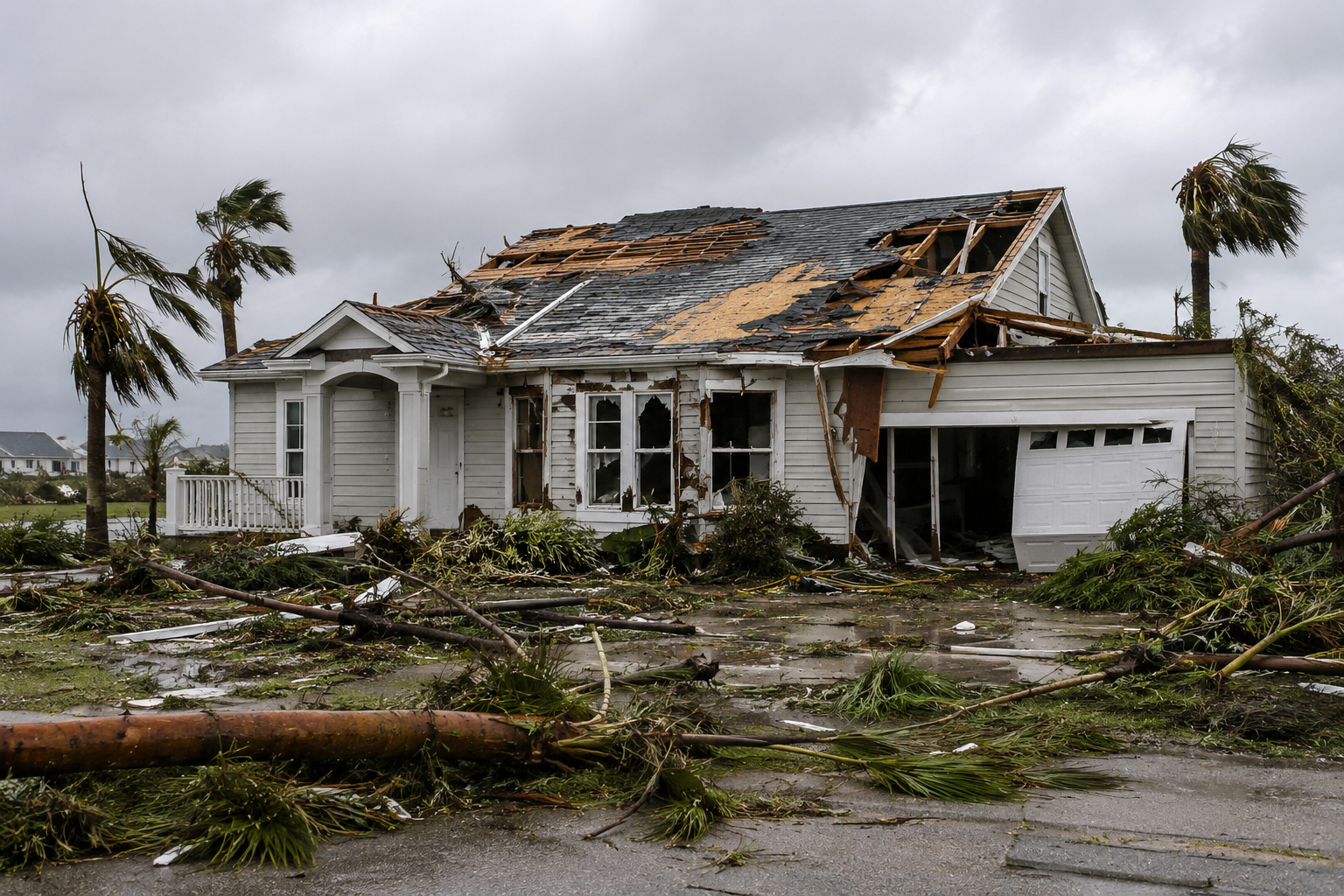
Living along the coast in Wilmington means enjoying ocean breezes, beautiful beaches, and mild winters — but it also means preparing for hurricane season every year. From strong winds and heavy rainfall to flooding and storm surge, hurricanes can cause extensive damage to homes, businesses, roofs, siding, foundations, and landscaping throughout New Hanover County and surrounding coastal communities.
After a major storm passes through southeastern North Carolina, homeowners are often left dealing with roof leaks, water intrusion, fallen trees, structural damage, mold growth, and insurance claims. Understanding the most common types of storm damage in the Wilmington area can help property owners act quickly and protect their homes from long-term issues.
This guide explains the most common hurricane-related property damage in Wilmington and nearby coastal communities, what homeowners should inspect after a storm, and how local restoration and roofing professionals can help.
Common Types of Hurricane Damage in Wilmington, NC
Roof Damage From High Winds
One of the most common forms of hurricane damage in Wilmington is roof damage caused by strong coastal winds. Even tropical storms can loosen shingles, damage flashing, and expose underlayment.
Signs of Roof Damage After a Hurricane
Homeowners in Wilmington should inspect for:
- Missing shingles
- Lifted roofing materials
- Bent flashing
- Water stains on ceilings
- Granules collecting in gutters
- Roof sagging
- Debris impacts from tree limbs
Because coastal storms often bring sustained winds and gusts exceeding 70 mph, even newer roofs may experience damage.
Water Damage and Flooding
Heavy rainfall and storm surge frequently lead to water intrusion in homes across Wilmington, Carolina Beach, Wrightsville Beach, Leland, Hampstead, and nearby areas.
Flooding can affect:
- Crawl spaces
- Basements
- Hardwood flooring
- Drywall
- Electrical systems
- HVAC equipment
- Insulation
- Cabinets and furniture
Saltwater flooding near coastal areas can be especially destructive because it accelerates corrosion and material deterioration.
Siding and Exterior Damage
Strong hurricane winds can rip vinyl siding loose or damage fiber cement panels. Flying debris may crack windows, dent gutters, and damage garage doors.
After a hurricane, Wilmington homeowners should check:
- Exterior siding panels
- Window seals
- Fascia and soffits
- Gutters and downspouts
- Doors and weather stripping
- Decks and fencing
Exterior damage can allow moisture into the structure, increasing the risk of mold and wood rot.
Tree Damage and Fallen Limbs
Mature trees are common throughout Wilmington neighborhoods, and hurricanes frequently cause limbs or entire trees to fall onto homes, sheds, fences, and vehicles.
Tree-related storm damage may include:
- Roof punctures
- Structural framing damage
- Broken windows
- Electrical hazards
- Foundation damage from uprooted trees
Property owners should avoid removing large fallen trees themselves and contact licensed professionals when power lines or structural concerns are involved.
Why Wilmington Homes Are Especially Vulnerable to Hurricanes
Coastal Exposure
Wilmington’s location near the Atlantic Ocean makes the area highly vulnerable to tropical storms and hurricanes. Coastal wind speeds tend to remain stronger longer compared to inland areas.
High Water Tables and Flood Risk
Many Wilmington-area homes are built in low-lying coastal zones with high water tables. During prolonged rainfall events, drainage systems can become overwhelmed quickly.
Humidity and Mold Growth
The humid climate in southeastern North Carolina creates ideal conditions for mold growth after water intrusion. Mold can begin developing within 24 to 48 hours after flooding or leaks.
Older Housing Stock
Historic homes in downtown Wilmington and older coastal properties may not have modern hurricane-resistant roofing systems, windows, or structural reinforcements.
What To Do Immediately After Hurricane Damage
Prioritize Safety First
After a storm passes, homeowners should avoid entering damaged structures until they are safe. Watch for:
- Downed power lines
- Gas leaks
- Standing water near electrical outlets
- Structural instability
- Broken glass and exposed nails
If severe structural damage is visible, contact emergency services or licensed contractors before entering the property.
Document the Damage
Take photos and videos of all visible storm damage before cleanup begins.
Document:
- Roof damage
- Water intrusion
- Broken windows
- Damaged siding
- Flooding
- Fallen trees
- Interior damage
Detailed documentation helps support insurance claims.
Contact Your Insurance Company
Most homeowners insurance policies cover certain types of wind damage, but flood damage may require separate flood insurance coverage.
When contacting your insurer:
- Report damage quickly
- Save receipts for emergency repairs
- Ask about temporary housing coverage
- Request claim documentation instructions
Schedule a Professional Inspection
Even if damage appears minor, hidden problems can worsen over time.
Professional inspections may identify:
- Roof leaks
- Moisture trapped behind walls
- Structural shifting
- Foundation concerns
- Mold growth
- Electrical hazards
The Importance of Fast Water Mitigation
Preventing Mold Growth
Water mitigation is one of the most important steps after storm damage in Wilmington homes.
If moisture remains trapped inside walls, insulation, flooring, or crawl spaces, mold growth can spread rapidly.
Professional water mitigation services often include:
- Water extraction
- Structural drying
- Dehumidification
- Moisture testing
- Mold prevention treatments
Protecting Structural Materials
Wood framing, subflooring, drywall, and insulation can deteriorate quickly when exposed to prolonged moisture.
Fast drying reduces:
- Rot
- Warping
- Odors
- Mold contamination
- Long-term repair costs
Roofing Repairs After Hurricanes in Wilmington
Temporary Roof Tarping
Emergency roof tarping helps prevent additional water intrusion after hurricanes.
Tarping is commonly used when:
- Shingles are missing
- Tree limbs puncture the roof
- Flashing fails
- Roof decking becomes exposed
Quick temporary protection can reduce interior water damage significantly.
Roof Replacement vs. Roof Repair
Some Wilmington homes only require minor roof repairs after storms, while others may need full replacement.
Factors affecting the decision include:
- Roof age
- Extent of wind damage
- Water intrusion severity
- Insurance coverage
- Existing roof condition
A licensed roofing contractor can determine whether repairs are sufficient or replacement is the better long-term solution.
Flood Damage Restoration in Coastal North Carolina
Common Flood Restoration Services
Flood restoration companies in Wilmington often provide:
- Water removal
- Structural drying
- Debris cleanup
- Flooring removal
- Mold remediation
- Drywall replacement
- Sanitization
- Reconstruction services
Crawl Space Concerns in Wilmington Homes
Many coastal North Carolina homes have crawl spaces that are vulnerable to standing water and moisture buildup.
After hurricanes, crawl spaces may develop:
- Mold growth
- Wood rot
- Foundation moisture problems
- Insulation damage
- Pest issues
Proper crawl space drying and encapsulation may help prevent recurring moisture issues.
Mold Problems After Hurricanes
Why Mold Is Common After Storms
Warm temperatures and coastal humidity create ideal conditions for mold after hurricanes.
Mold often develops in:
- Drywall
- Carpeting
- Insulation
- Cabinets
- Crawl spaces
- Attics
- HVAC systems
Signs of Mold After Water Damage
Homeowners should watch for:
- Musty odors
- Visible discoloration
- Respiratory irritation
- Peeling paint
- Persistent humidity
Professional mold remediation may be necessary when contamination spreads beyond small surface areas.
Hurricane Preparedness Tips for Wilmington Homeowners
Strengthen Your Roof
Regular roof inspections and maintenance can reduce storm vulnerability.
Homeowners should:
- Replace damaged shingles
- Secure flashing
- Clean gutters
- Trim nearby trees
- Inspect attic ventilation
Install Storm Protection Features
Popular hurricane protection upgrades include:
- Impact-resistant windows
- Storm shutters
- Reinforced garage doors
- Secondary water barriers
- Hurricane straps
Review Insurance Coverage Annually
Many homeowners discover coverage gaps after major storms.
Before hurricane season:
- Review wind coverage
- Understand deductibles
- Verify flood insurance status
- Update home inventories
Areas Around Wilmington Frequently Affected by Hurricane Damage
Storm damage restoration companies often serve homeowners throughout coastal southeastern North Carolina, including:
- Wilmington
- Wrightsville Beach
- Carolina Beach
- Kure Beach
- Leland
- Hampstead
- Ogden
- Castle Hayne
- Porters Neck
- Surf City
- Topsail Beach
- Southport
Each area may experience different risks depending on proximity to the water, elevation, drainage systems, and tree coverage.
Frequently Asked Questions About Hurricane Damage in Wilmington, NC
How soon should I inspect my roof after a hurricane?
Homeowners should inspect their property as soon as conditions are safe. Even small roof issues can lead to major leaks if left untreated.
Does homeowners insurance cover hurricane damage?
Most policies cover wind-related damage, but flood damage often requires separate flood insurance.
How quickly can mold grow after flooding?
Mold may begin growing within 24 to 48 hours after water exposure in Wilmington’s humid climate.
Should I repair or replace my roof after storm damage?
That depends on the roof’s age, the extent of the damage, and insurance considerations. A professional inspection can help determine the best option.
What should I do if a tree falls on my home?
Leave the area if structural damage is severe and contact emergency services, your insurance company, and licensed contractors.
Choosing a Local Storm Damage Restoration Company in Wilmington
When selecting a hurricane restoration contractor in coastal North Carolina, homeowners should look for:
- Local experience
- Proper licensing and insurance
- Emergency response availability
- Positive customer reviews
- Experience with insurance claims
- Water mitigation certifications
- Roofing and reconstruction expertise
Working with local professionals familiar with Wilmington’s coastal climate and hurricane risks can help streamline repairs and recovery.
Selling a Storm-Damaged Home in Wilmington, NC
For some homeowners, extensive hurricane damage, repeated flooding, insurance complications, or costly repairs may lead to considering selling the property instead of restoring it.
In Wilmington and surrounding coastal North Carolina communities, some homeowners choose to sell storm-damaged houses in as-is condition after severe weather events.
Homeowners dealing with:
- Major roof damage
- Flooded interiors
- Mold contamination
- Structural issues
- Repeated hurricane damage
- Insurance claim delays
- Costly repair estimates
may explore local home-buying companies that purchase damaged properties directly.
Eagle Home Partners is a local company that buys homes in Wilmington and nearby coastal areas, including properties affected by hurricane and storm damage.
Final Thoughts on Hurricane Damage Recovery in Wilmington, NC
Hurricanes and tropical storms are a reality of life along the North Carolina coast. While no homeowner can completely prevent storm damage, fast response, proper inspections, and professional restoration services can minimize long-term problems.
Whether dealing with roof leaks, flooding, mold growth, siding damage, or fallen trees, Wilmington homeowners benefit from acting quickly after severe weather.
By understanding the risks associated with coastal storms and preparing ahead of hurricane season, property owners in Wilmington and surrounding communities can better protect their homes, families, and investments.