
How to Sell a Rental Property in North Carolina
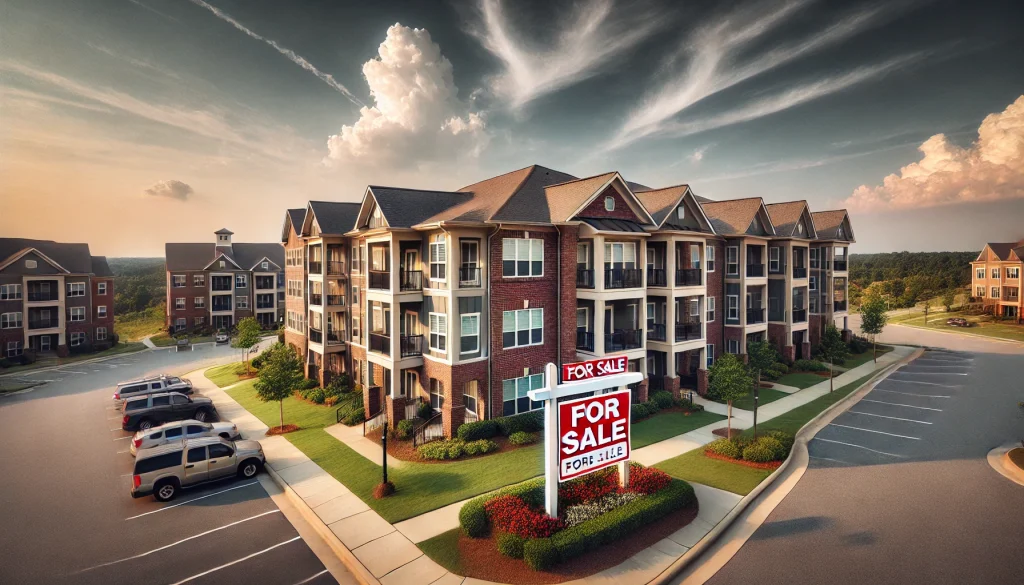
A multi-family rental property in North Carolina listed for sale, highlighting common scenarios landlords face when deciding to sell an investment property.
Selling a rental property in North Carolina requires more than choosing the right time to list. Landlords must consider tenant rights, state laws, tax consequences, repair decisions, and local market conditions that vary by city. Whether your rental is located in Clayton, Raleigh, Durham, Greensboro, Fayetteville, Cary, Wilmington, or Charlotte, understanding your options can help you sell confidently while avoiding costly missteps.
Landlords looking to sell a rental property in Clayton, NC can explore local options.
Introduction
When someone searches “How to sell a rental property in North Carolina,” they are often dealing with more than just logistics. In many cases, they are tired landlords facing ongoing maintenance issues, tenant challenges, or an underperforming investment. At the same time, uncertainty around taxes, timing, and legal requirements can make the decision feel overwhelming.
As a result, most property owners want clear, practical answers—quickly.
Typically, they are trying to understand:
How to sell a rental property quickly, whether it is occupied or vacant
What tax implications they may face after the sale
How tenant laws in North Carolina affect the process
Whether selling for cash is a realistic and lower-stress option
In addition, many landlords are unaware that alternatives to traditional listings exist, such as selling directly to a real estate investor. Knowing all available paths is essential before moving forward.
How to Sell a Rental Property in North Carolina: A Complete Guide
Selling a rental property in North Carolina can be financially rewarding. However, it also comes with unique challenges, especially when tenants, deferred maintenance, or taxes are involved. Whether you are exiting a long-term investment in Clayton or selling a rental in Raleigh or Greensboro, understanding the process upfront allows you to make informed, strategic decisions.
1. Understanding the Process of Selling a Rental Property in North Carolina
First and foremost, selling a rental property is different from selling a primary residence. Before listing—or accepting an offer—you must account for tenant status, notice requirements, and local market conditions.
If your property is tenant-occupied, North Carolina law requires landlords to provide proper notice and honor existing lease agreements. In many cases, tenants may remain in the property after the sale, which can affect both timeline and buyer interest.
At the same time, market conditions matter. According to Zillow, North Carolina home values have increased in many areas. However, pricing and demand still vary significantly between cities like Durham, Fayetteville, and Wilmington.
For additional guidance on tenant-related sales, review Can You Sell a Rental Property With Tenants in North Carolina?
2. Can You Sell a Rental Property With Tenants in North Carolina?
Yes, you can sell a rental property with tenants in place. However, doing so requires strict compliance with North Carolina law.
In most cases, landlords must provide 30–60 days’ notice, depending on the lease terms. Additionally, tenant rights transfer to the new owner, meaning leases must be honored after closing.
That said, tenant-occupied properties often present challenges. For example, showings can be difficult to coordinate, property condition may decline, and some buyers may discount their offers due to perceived risk.
Because of this, many landlords compare selling occupied versus vacant. If vacancy is an option, understanding how timing impacts value is critical.
3. Tax Implications of Selling a Rental Property in North Carolina
Before selling, it is essential to understand potential capital gains tax obligations. If your rental property appreciated in value, you may owe both federal and state taxes.
Additionally, depreciation recapture can significantly increase your tax liability. If you claimed depreciation deductions over time, the IRS may require repayment upon sale.
North Carolina currently applies a flat state income tax rate to capital gains, which should be factored into your net proceeds. Because tax situations vary, consulting a qualified professional is always recommended.
4. Selling an Underperforming Rental Property in North Carolina
If your rental property is underperforming—due to frequent vacancies, rising repair costs, or ongoing tenant issues—it may be time to reevaluate your investment.
In many cases, landlords find that selling and reinvesting capital creates better long-term returns. This is especially true when property values have peaked or when holding costs continue to rise.
If you are unsure whether selling is the right move, Selling an Underperforming Rental Property in North Carolina provides helpful insight.
5. Benefits of Selling a Rental Property for Cash in North Carolina
For many landlords, selling for cash is the fastest and least stressful option. Cash buyers typically purchase properties as-is, eliminating the need for repairs, inspections, or appraisals.
Additionally, cash sales often close in as little as 7–14 days, compared to 30–45 days for traditional transactions. This speed can be especially helpful when dealing with financial pressure or tenant complications.
To learn more, visit Benefits of Selling a Rental Property for Cash in North Carolina. This option is often ideal for landlords looking to sell your rental property in North Carolinahttps://eaglehomepartners.com/ without delays or uncertainty.
6. Handling Repairs and Maintenance Before Selling
If you plan to sell through traditional channels, repairs can play a major role in buyer interest and pricing. According to Remodeling Magazine’s Cost vs. Value Report, many renovations recoup only 60–80% of their cost.
However, investors typically purchase rentals regardless of condition. As a result, skipping repairs can save both time and money, particularly for older properties in Clayton, Durham, or Greensboro.
7. The Role of Real Estate Agents in Rental Property Sales
While real estate agents can assist with pricing and exposure, commissions typically range from 5% to 6% of the sale price. In addition, coordinating showings around tenants can complicate the process.
Alternatively, selling directly to an investor eliminates agent fees and offers more certainty. This option is often preferred when speed and simplicity are priorities.
8. Maximizing Your Rental Property Sale Price in North Carolina
To maximize value, consider the following:
Price competitively using local comparable sales
Improve curb appeal where possible
Market effectively using professional photos and online platforms
For additional tips, consult Zillow’s Selling Guide. However, if time is a concern, selling to an investor may provide a fair price without the stress of staging or marketing.
Conclusion: Should You Sell Your Rental Property to an Investor?
Ultimately, selling a rental property in North Carolina depends on your goals, timeline, and tolerance for complexity. For many landlords—particularly those managing properties in Clayton and surrounding areas—working with Eagle Home Partners offers a clear, dependable path forward.
We purchase rental properties in any condition, handle the paperwork, and close on your schedule. If you are ready to move on, reach out to Eagle Home Partners for a no-obligation cash offer and a smooth selling experience.
Frequently Asked Questions
Can I sell a rental property with tenants in North Carolina?
Yes. You must provide proper notice and honor existing leases.
Do I need to make repairs before selling?
Not if you sell to a cash buyer. Most investors purchase properties as-is.
Will I owe capital gains tax?
Possibly. Capital gains and depreciation recapture may apply.
Is selling for cash faster than listing traditionally?
Yes. Cash sales often close in days rather than months.